

Corporate executives across America are abandoning the costly practice of lowering ambitious targets to accommodate weak-performing teams, instead embracing culture-building strategies that deliver remarkable transformation at a fraction of traditional restructuring costs. Industry leaders report that three specific low-investment approaches are revolutionizing workplace dynamics, creating environments where previously underperforming employees suddenly excel beyond expectations. This shift represents a fundamental change in how successful companies approach team development, moving away from expensive external consultants and elaborate training programs toward internally-driven cultural initiatives that generate sustainable results.
The most impactful strategy involves establishing clear behavioral standards that reflect company values rather than merely posting mission statements on office walls. Forward-thinking organizations are implementing daily practices where leadership consistently models desired behaviors, creating a ripple effect throughout all organizational levels. These companies report that when executives demonstrate accountability, transparency, and collaborative decision-making in every interaction, employees naturally adopt similar approaches. The transformation occurs organically as team members witness authentic leadership in action, eliminating the need for costly behavioral modification programs or extensive management training seminars.

Recognition systems that celebrate cultural contributions alongside performance metrics are proving equally transformative for organizations seeking sustainable growth. Progressive companies are highlighting employees who embody company values during routine meetings, internal communications, and team gatherings, creating powerful incentives for cultural alignment. This approach costs virtually nothing yet generates significant behavioral shifts as employees understand that career advancement depends on both results and cultural citizenship. Teams begin self-policing negative behaviors while actively promoting positive interactions, creating momentum that traditional monetary incentives rarely achieve.
Communication transparency has emerged as the third critical element in successful culture-building initiatives, with leaders sharing both challenges and victories openly with their teams. Companies implementing regular information-sharing sessions report dramatic improvements in employee engagement and problem-solving capabilities as team members feel trusted with important business insights. This transparency builds mutual respect and shared responsibility, encouraging employees to think beyond individual roles toward collective success. The financial investment remains minimal while the impact on team cohesion and performance motivation proves substantial across diverse industry sectors.

Organizations that have successfully implemented these culture-building strategies report measurable improvements in employee retention, productivity, and innovation within six months of consistent application. The financial returns significantly exceed investment costs as companies experience reduced turnover expenses, decreased recruitment needs, and enhanced operational efficiency. Teams that previously required constant supervision begin operating with greater autonomy and accountability, freeing leadership resources for strategic initiatives rather than daily management oversight.

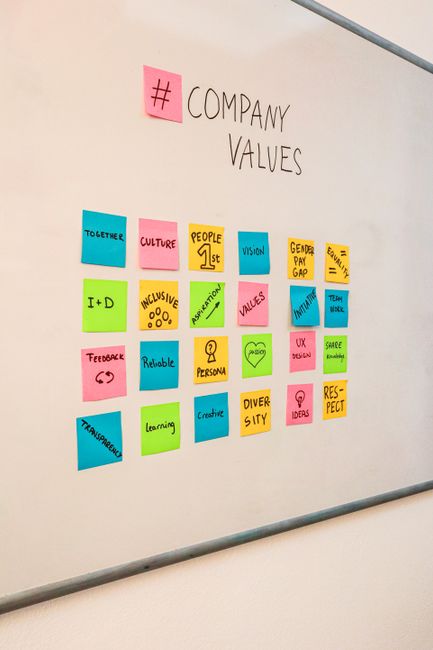
The business community is taking notice as these culture-first approaches demonstrate that sustainable competitive advantage comes from engaged, aligned teams rather than elaborate strategic frameworks applied to disengaged workforces. Companies that master these low-cost culture-building techniques position themselves for long-term success while competitors continue struggling with expensive quick-fix solutions that fail to address underlying team dynamics. This cultural transformation represents a return to fundamental business principles where human capital development drives organizational excellence through intentional, consistent leadership practices.